Hades II Is the Rare Sequel That Improves on a Modern Classic
The hardest thing a sequel can do is make you glad the original was not the last word. Hades II does that in a way that feels almost unfair to other sequels.
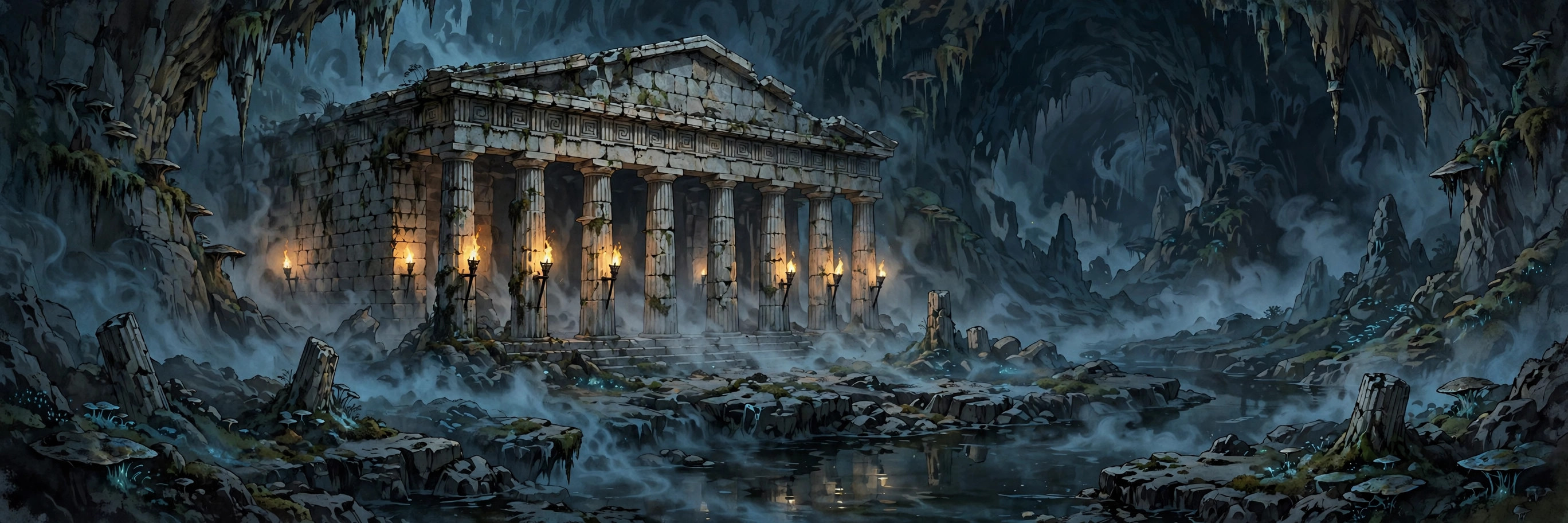
The hardest thing a sequel can do is make you glad the original was not the last word, and Hades II does that in a way that feels almost unfair to other sequels. Most follow-ups to beloved games arrive with an apology built in: sorry, we know you loved the first one, here is more of it, please do not be disappointed. Hades II does not apologize. It inverts the original, deepens it, darkens it, and then dares you to say it was unnecessary. My admission of bias is important here, because it makes the verdict more credible, not less. A fan who expected redundancy and found improvement is a harder witness to dismiss than a skeptic who expected failure and found it, and that is why the claim that this is simply a better game lands with real weight.
The structural inversion sounds small on paper and feels enormous in play, and that gap between description and experience is the whole trick. Going down instead of up is not just a change of direction; it is a change of mood, of purpose, of what progress means. In the original, every run was an escape attempt, a push outward toward light and freedom, and the emotional logic matched the mechanical logic perfectly. In the sequel, every run is a descent into something darker, more dangerous, and more committed, and that changes how failure feels. Dying on the way out feels like being pulled back. Dying on the way down feels like being stopped before you can finish what you started, and that frustration is sharper, more personal, and more motivating, because the goal is not freedom but confrontation.
Why Melinoë Changes the Combat
Melinoë being a witch is not a cosmetic re-skin of the original hero; it is a different way of thinking about a run. Adding magic as a second resource, alongside health and gold, forces a kind of budgeting that the original never quite demanded, because you are no longer just deciding which weapon swing to use but which kind of power to spend, when to hold for a heavier attack, and whether a spell now is worth more than a spell later. That density could have made combat feel cluttered, and in the first hours it sometimes does, because a denser toolkit takes longer to learn. But density, once learned, becomes richness. By the time a new rhythm settles in, you are not just reacting faster; you are planning in layers, thinking about a room in terms of resources, positioning, and timing at once, and that layered thinking is what keeps a roguelike alive after the novelty wears off.
The new hub and cast matter just as much, and the decision to turn over almost the entire cast is braver than it looks. Sequels usually cling to familiar faces because familiar faces are safe, and safety sells. Supergiant chose the opposite: new gods, new relationships, new conversations, built from scratch rather than reheated. That choice pays off in writing, because new relationships have to earn your attention rather than coasting on nostalgia, and the writing here earns it. When a god has something new to say, you listen differently than when a returning character repeats a beloved line. You pay attention because you do not know what is coming, and that uncertainty is exactly what a roguelike needs between runs, when the temptation is to rush through dialogue to get back to combat. Here, the dialogue is a reason to keep playing, not a delay before playing.
The story argument is the strongest claim here, and it deserves to be lingered on. The original told a relatable story about wanting to leave home, and it told it beautifully, but it was a story whose shape was familiar. The sequel tells a harder story about grief, about a family broken for centuries, about being raised to kill someone who turns out to be complicated, and about what happens when reconciliation is not on the table. That last phrase is the key, because it reframes the entire emotional project. Reconciliation is comforting. Blocked reconciliation is not, and it forces both the character and the player to sit with anger, loss, and duty without the promise of a clean resolution. A game that can make you put the controller down and sit quietly for ten minutes has done something that very few games, in any genre, manage to do, and that moment alone justifies the sequel's existence.
The Run Economy Earns Its Praise
Roguelikes live or die on the quality of the choices they offer inside a run, and Hades II understands that better than almost any game in the genre. The original already had a tight loop: pick a boon, chase synergies, occasionally stumble into a combination that feels broken in the best way. The sequel does not replace that loop; it layers on top of it, and layering is harder than replacing because every new layer has to justify its presence without drowning the core. Hex magic does, because it rewards a different kind of planning, asking you to think about charging and timing across a whole floor rather than just the next room. Keepsakes do, because they stop being comfort picks and become build-defining decisions that change how you move, dash, and approach combat. Vows do, because they let you tune difficulty with granularity, turning a familiar run into a genuinely different game by changing the rules rather than just the numbers.
That depth is why the claim about discovering new builds after a hundred runs rings true, even without counting anyone's exact run total. Depth in a roguelike is not measured by how many items exist; it is measured by how many meaningful combinations you have not tried yet, and how many of those combinations change your playstyle rather than just your damage output. When a weapon aspect discovered late can rewrite how you should play that weapon, the game is telling you that mastery is not a finish line but a process, and that process is the real endgame. That is a generous design philosophy in an industry that often confuses length with depth, padding a game with repetitive content and calling it replayability. Hades II's replayability is not padding. It is possibility, and possibility is much harder to design.
The complaints, for once, feel like real complaints rather than obligatory balance, and that makes them worth taking seriously. A steep early difficulty curve is not a minor issue in a sequel that hopes to welcome newcomers, because the first ten hours are when a player decides whether a game respects their time. Veterans will adapt, because they already speak the game's language, but a newcomer who bounces off early may never learn that the game gets more rewarding later. That is a genuine accessibility cost, and it is honest to suggest that such a player might be better served by starting with the original. It is rare and admirable for a review that loves a game this much to admit that it might not be the best starting point, and that honesty strengthens everything else claimed here.
Music, Verdict, and Staying Power
The smaller complaint about underdeveloped gods follows the same honest pattern. A cast that turns over almost completely will inevitably have uneven depths, and a few characters feeling thin is the price of ambition, not a sign of laziness. The expectation that patches and continued support will deepen those characters is reasonable given the studio's history, but it is also a reminder that even a game this complete is still a living thing. That is not a flaw to hide; it is a feature of how this studio works, building with its community over time rather than pretending a launch is the final word. Players who understand that will be patient. Players who do not may mistake incompleteness for carelessness, and that misunderstanding is worth naming plainly.
Then there is the music, and here criticism stops sounding like criticism and starts sounding like testimony, which is appropriate. A score that you listen to for months outside the game is doing something different from background music; it is becoming part of how you remember the game itself. The claim that the opening theme surpasses its predecessor's, and that later boss themes stretch into cinematic territory, is not just praise for composition; it is praise for how music shapes emotion in a game about grief and determination. Vocal collaborations that return, gorgeous as before, alongside new voices you are not told about in advance, create a soundscape that feels both familiar and surprising, which is exactly the balance the whole game is trying to strike. Calling the composer the best working today is a big claim, but in the context of this game, it feels less like hyperbole and more like a conclusion earned over many hours of listening.
So the verdict stands, and it stands for reasons that go beyond a number. If you loved the original, you will love this, because it respects what you loved while refusing to merely repeat it. If you have never played the original, you face a real choice: start here and meet a denser, harder, more ambitious game, or start with the first game and let the emotional payoffs of returning characters land harder later. Either path is defensible, which is itself a compliment, because few sequels can say that both orders work. And if you only have time for one, the answer is clear, and after developing its arguments, it is hard to disagree. This is the better game, the deeper game, and the one you will still be playing, still discovering builds in, and still thinking about long after the year-end lists have been forgotten.
Verdict: 9.5/10. The best game of 2026 so far. Game of the year contender, no question.